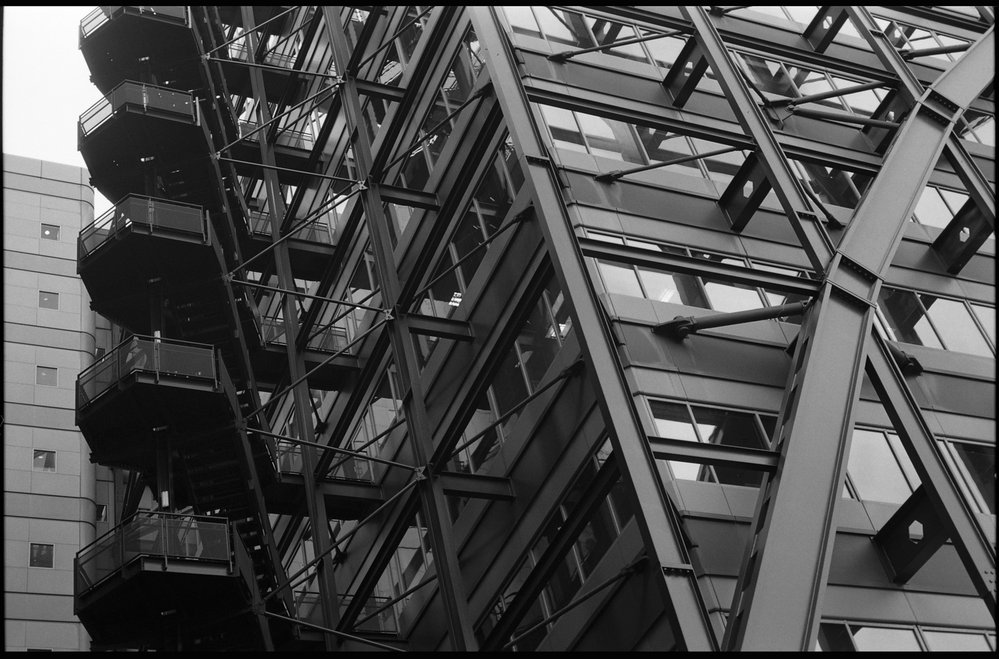
Architecture, Liverpool Street, London

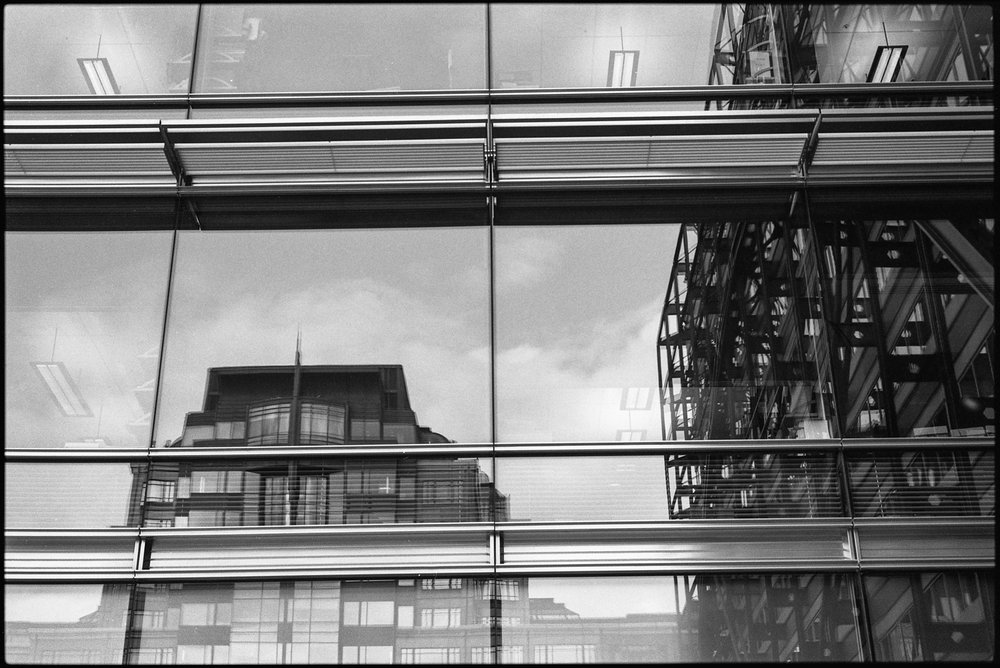
“Architecture, Liverpool Street, London” — the street runs through the eastern edge of the City of London, roughly from the Bank junction westward through to Bishopsgate, where it meets the thoroughfare carrying traffic toward Shoreditch and the East End. Laid out in the early nineteenth century, it takes its name from Robert Jenkinson, the second Earl of Liverpool, who served as prime minister for much of the 1810s and 1820s. The road is lined with office blocks and commercial buildings, many of them dating from late twentieth-century redevelopment. Its eastern end is dominated by Liverpool Street station, a major railway terminus opened in 1874 on the former burial ground of the Bethlem Royal Hospital, which had relocated to Southwark half a century earlier and whose name survives in the better-known Bedlam. The station today serves commuter routes across the East of England and the Stansted Express to the airport beyond. Surrounding streets — Broad Street, Bishopsgate, Blomfield Street — feed into a junction that remains one of the busier pedestrian and road crossings in the Square Mile. The tall glass of Heron Tower at 110 Bishopsgate and the cluster of commercial blocks along the road are among the more conspicuous buildings in the immediate area.
Discover more from PAUL COOKLIN
Subscribe to get the latest posts sent to your email.