
Architecture, Venice, Italy

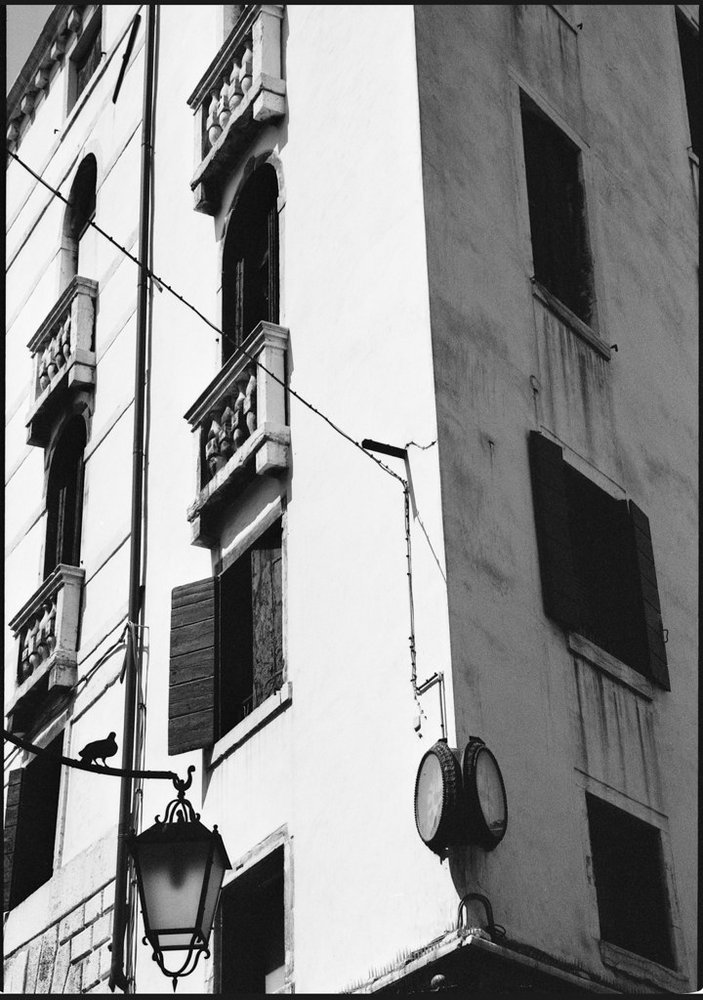
“Architecture, Venice, Italy” — Venice is a city built upon a group of 118 small islands within a shallow lagoon in the Adriatic Sea, off the north-eastern coast of Italy. The urban landscape is defined by its intricate network of canals, which serve as the primary thoroughfares in the absence of roads for vehicular traffic. The city’s distinctive skyline is characterised by a dense concentration of historic buildings, ranging from Byzantine and Gothic styles to Renaissance and Baroque structures, many of which are constructed on wooden piles driven into the soft mud and sand of the lagoon bed. Key architectural landmarks include the Doge’s Palace, the Basilica di San Marco, and the Rialto Bridge, each reflecting the city’s historical significance as a major maritime power and cultural hub during the Middle Ages and the Renaissance. The architecture is not merely decorative but functional, adapted to the unique environmental challenges of a sinking, water-bound metropolis. Over centuries, successive waves of influence from the East and West have shaped the visual identity of the city, resulting in a harmonious yet complex urban fabric. The preservation of these structures remains a critical ongoing challenge due to rising sea levels and subsidence, making the physical integrity of the architecture a subject of continuous scientific and municipal attention.
Discover more from PAUL COOKLIN
Subscribe to get the latest posts sent to your email.


