
Carp Beneath Reeds

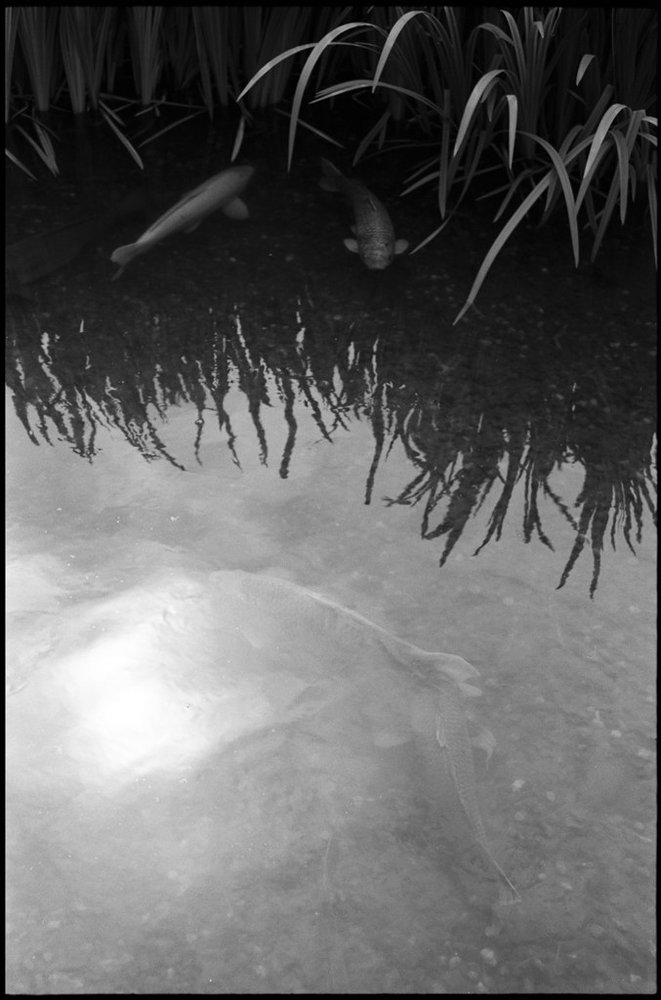
“Carp Beneath Reeds” — the title evokes the quiet, vegetated margins of freshwater systems rather than a single, specific geographic coordinate, yet it strongly suggests the wetland environments characteristic of regions such as the Camargue in southern France or the reed-choked banks of the Danube Delta. These areas are defined by their extensive stands of Phragmites australis, commonly known as common reed, which form dense, impenetrable thickets along riverbanks, lake shores, and marshes. The carp, a cyprinid fish native to Europe and Asia, is frequently found in these slow-moving, nutrient-rich waters, often schooling near the submerged vegetation which provides essential cover from predators and spawning grounds. Historically, such wetlands have been vital for local economies, supporting fishing, reed harvesting for thatching, and birdwatching, particularly for migratory species that rely on these habitats during seasonal movements. The interplay between the aquatic life and the emergent flora creates a complex ecosystem that is both fragile and resilient, shaped by natural hydrological cycles and, in many cases, centuries of human management. While the specific location of the artwork remains undefined by the title alone, the imagery aligns with the broader ecological narrative of temperate and subtropical wetlands where water, plant, and animal life intersect in a delicate balance, offering a glimpse into the hidden dynamics of these often-overlooked natural spaces.
Discover more from PAUL COOKLIN
Subscribe to get the latest posts sent to your email.


