
Deserted Street, Havana, Cuba

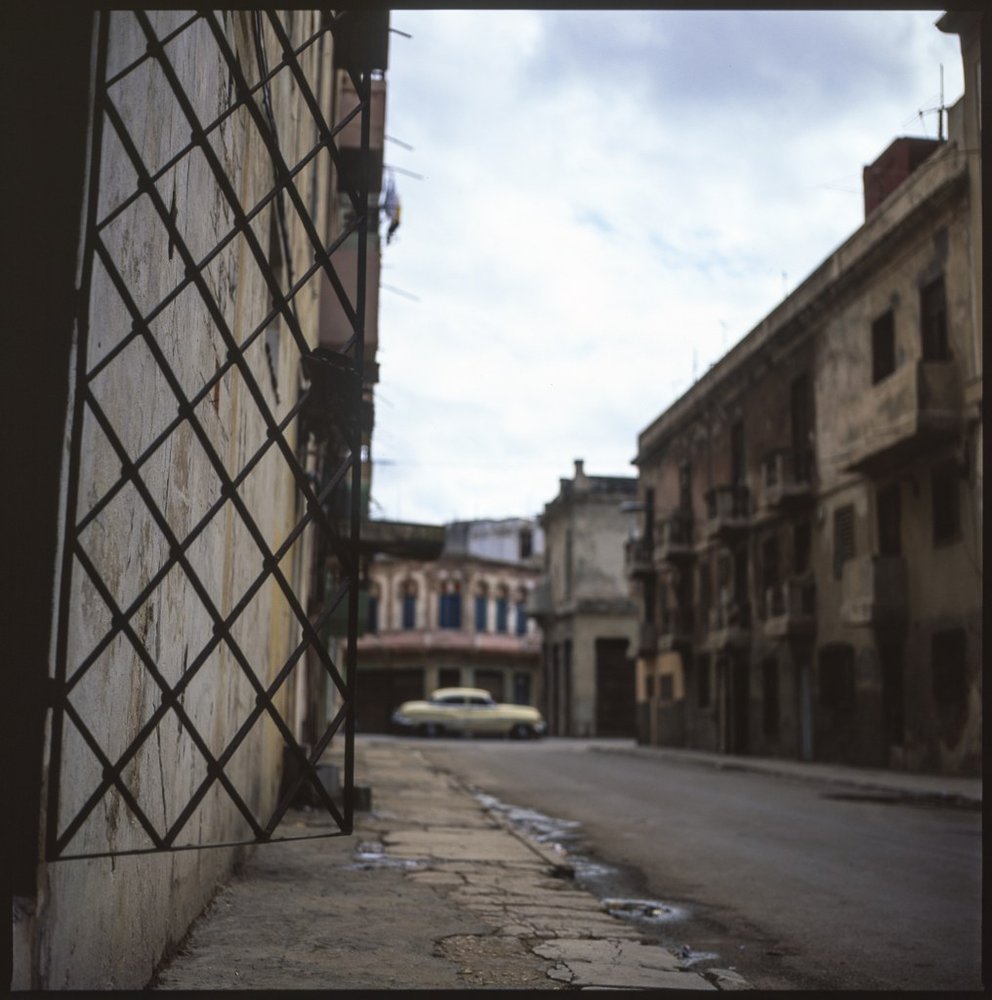
“Deserted Street, Havana, Cuba” — Havana, the capital and largest city of Cuba, is situated on the northern coast of the island at the mouth of the Guanahacabibes peninsula, facing the Gulf of Mexico and the Straits of Florida. The city’s urban fabric is characterised by a dense mix of architectural styles, ranging from Spanish colonial and neoclassical buildings to mid-twentieth-century modernist structures, many of which show signs of age and weathering due to the tropical climate and economic constraints. As the political, economic, and cultural centre of the nation, Havana has a long history dating back to its founding in 1515, serving as a crucial port for the Spanish Empire and later becoming a hub for trade and tourism. The city is divided into several municipalities, with Old Havana (La Habana Vieja) being a UNESCO World Heritage site known for its historic plazas and fortifications, while newer districts extend towards the west. The local economy relies heavily on tourism, sugar production, and nickel exports, though infrastructure challenges persist. The population is predominantly of mixed European, African, and indigenous descent, reflecting the complex demographic history of the Caribbean. Street life in Havana is vibrant, with public transport consisting mainly of vintage American cars from the 1950s, known locally as ‘almendrones’, alongside buses and taxis, creating a distinctive visual landscape that contrasts with the crumbling colonial facades.
Discover more from PAUL COOKLIN
Subscribe to get the latest posts sent to your email.


