
Lantern, Gondola, Venice, Italy

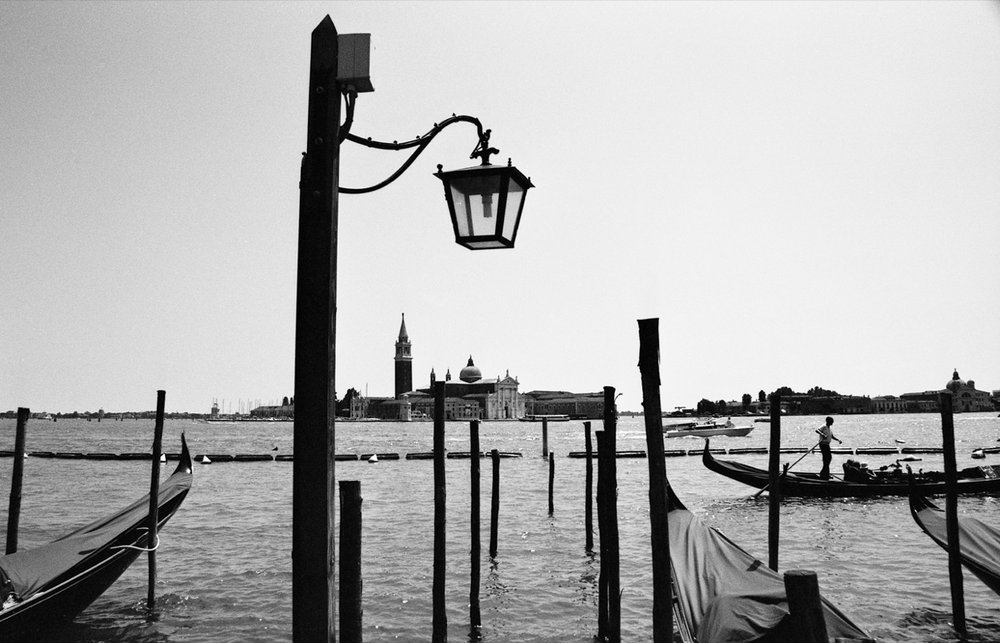
“Lantern, Gondola, Venice, Italy” — Venice is a city built upon a lagoon in the north-east of Italy, comprising one hundred and seventeen small islands separated by canals and linked by over four hundred bridges. The urban fabric rests on wooden piles driven into the silt, a structural necessity that has defined its existence since its founding in the fifth century AD by refugees fleeing the Lombard invasion. As a major maritime republic during the Middle Ages and the Renaissance, Venice controlled vast trade routes across the Mediterranean, amassing considerable wealth and cultural influence that is evident in its Byzantine, Gothic, and Renaissance architecture. The Grand Canal serves as the city’s principal waterway, winding through the historic centre and flanked by palaces that reflect its former commercial power. Gondolas, traditionally black and now strictly regulated, remain a symbol of Venetian heritage, though their primary function has shifted from essential transport to tourism. The city faces persistent environmental challenges, including seasonal flooding known as Acqua Alta and long-term subsidence, which have prompted the installation of the MOSE barrier system to protect the lagoon from high tides. Its unique geography and historical significance have led to its designation as a UNESCO World Heritage Site, attracting millions of visitors annually while raising ongoing debates about sustainable tourism and the preservation of its fragile ecosystem.
Discover more from PAUL COOKLIN
Subscribe to get the latest posts sent to your email.


