
Modern Architecture, Amsterdam, Netherlands

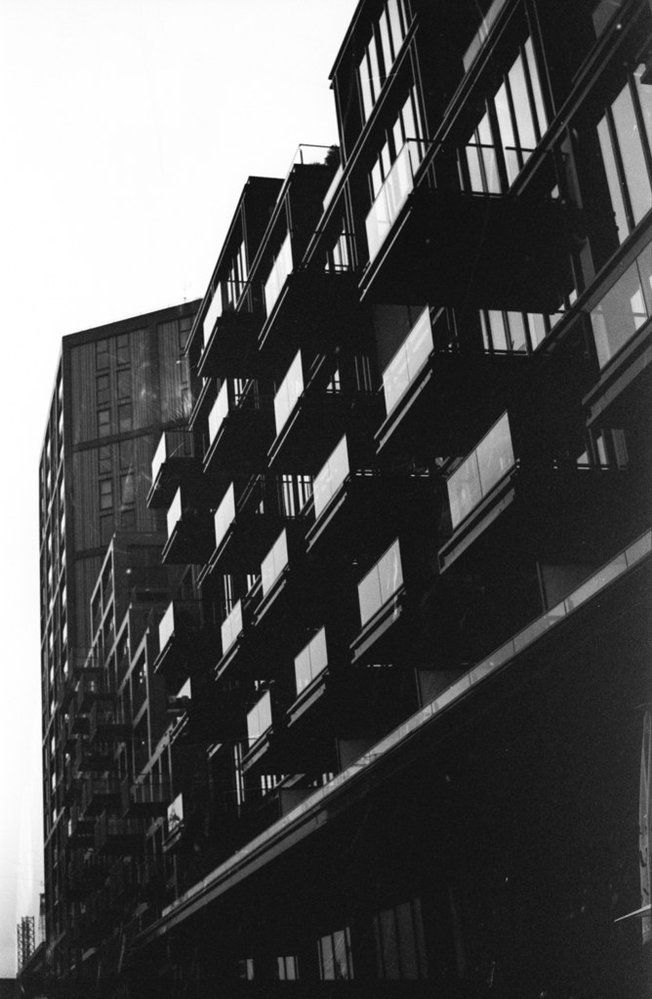
“Modern Architecture, Amsterdam, Netherlands” — Amsterdam, the capital and most populous city of the Netherlands, is situated in the province of North Holland within the Rhine–Meuse–Scheldt delta. The city is defined by its extensive canal ring, a UNESCO World Heritage site constructed during the 17th-century Golden Age, which encircles the historic centre and facilitates a dense network of waterways. While the historic core features traditional gabled houses, the wider metropolitan area encompasses a diverse architectural landscape that includes significant examples of modern and contemporary design. Notable developments in this sector include the high-rise residential towers in the Zuidas business district, such as the De Rotterdam complex by Rem Koolhaas, and the innovative housing projects in the IJburg area, which demonstrate adaptive reuse of former industrial zones and reclaimed land. The city’s urban planning has evolved to address density and sustainability, integrating green spaces and cycling infrastructure into the built environment. Amsterdam’s geography is characterised by its low elevation, with much of the city lying below sea level, necessitating sophisticated water management systems. The municipality covers an area of approximately 219 square kilometres, with a population exceeding 900,000 residents. This demographic density and historical layering create a complex urban fabric where historic preservation intersects with ongoing architectural innovation, reflecting the city’s continuous adaptation to modern living requirements.
Discover more from PAUL COOKLIN
Subscribe to get the latest posts sent to your email.


