
Patchwork Fields, Dry Stone Walls, Peak District

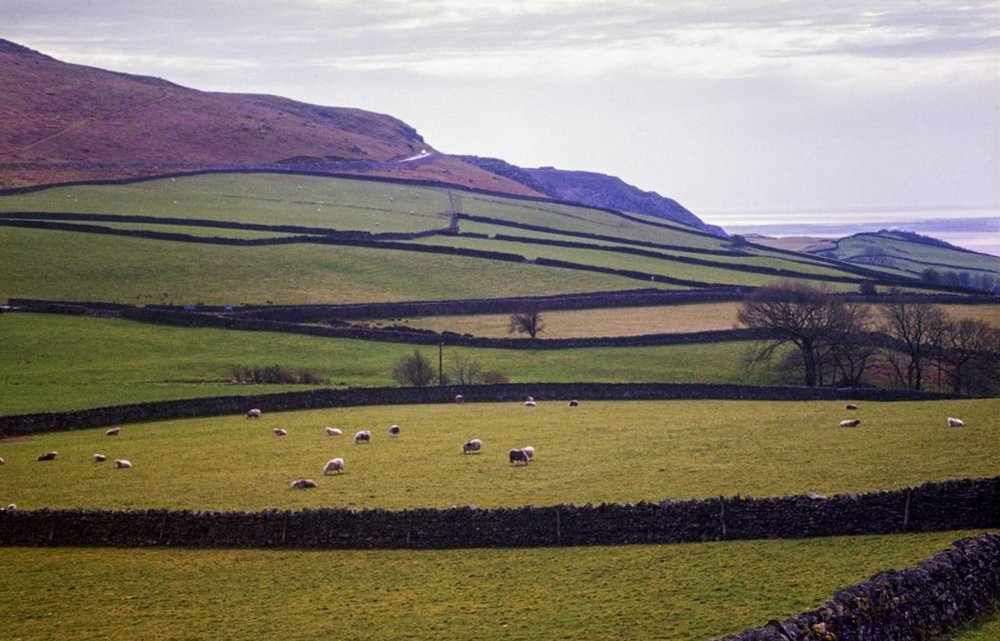
“Patchwork Fields, Dry Stone Walls, Peak District” — The Peak District National Park, established in 1951 as the United Kingdom’s first national park, encompasses a diverse landscape of upland moorlands, deep valleys, and limestone dales in the heart of England. The region’s topography is characterised by two distinct geological areas: the dark, gritstone moorlands of the Dark Peak in the north and the white limestone hills of the White Peak in the south. Dry stone walls, constructed from locally quarried rock without mortar, are a defining feature of the agricultural heritage, particularly in the White Peak, where they delineate centuries-old field boundaries. These structures reflect a long history of pastoral farming, with sheep grazing remaining a significant economic activity. The area has been inhabited since prehistoric times, evidenced by ancient burial mounds and hill forts scattered across the ridges. Major towns such as Bakewell, Buxton, and Matlock serve as gateways to the park, which attracts millions of visitors annually for walking, cycling, and nature appreciation. The landscape has inspired generations of artists and writers, contributing to its cultural significance. Conservation efforts focus on maintaining the unique biodiversity of the upland habitats and preserving the traditional character of the rural settlements. The interplay of light and shadow across these varied terrains creates a dynamic visual environment that changes with the seasons and weather conditions.
Discover more from PAUL COOKLIN
Subscribe to get the latest posts sent to your email.


