
Pidgeon Crossing, Paris, France, Paris, Ile-de-France

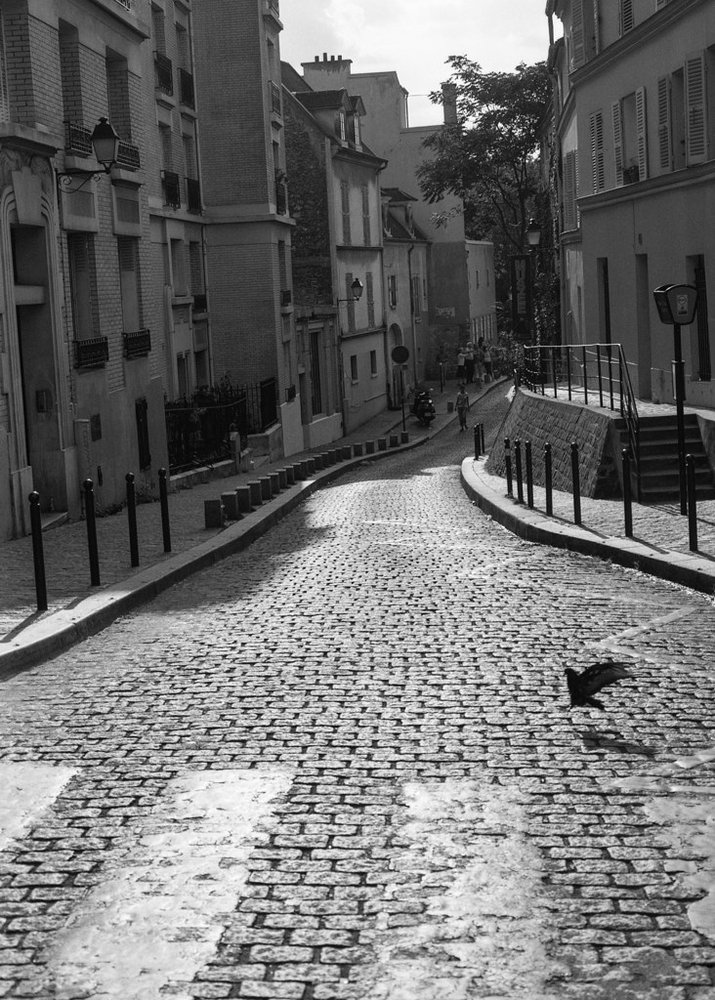
“Pidgeon Crossing, Paris, France, Paris, Ile-de-France” — Paris serves as the capital and most populous city of France, situated in the north-central part of the country along the Seine River. As the administrative centre of the Île-de-France region, it encompasses an area of approximately 105 square kilometres within its inner city limits, while the wider metropolitan area extends significantly further into the surrounding departments. The city’s geography is defined by two natural islands, the Île de la Cité and the Île Saint-Louis, which have historically served as the nucleus of urban development. Paris is globally recognised for its cultural institutions, including the Louvre Museum and the Musée d’Orsay, as well as iconic architectural landmarks such as the Eiffel Tower and Notre-Dame Cathedral. The urban layout follows a radial pattern centred on the historic core, with major boulevards like the Champs-Élysées connecting significant squares and districts. The Seine banks, designated as a UNESCO World Heritage site, feature extensive quays and bridges that facilitate both pedestrian movement and vehicular traffic across the river. The city operates as a major hub for international business, tourism, and education, hosting numerous universities and research centres. Its climate is oceanic, characterised by mild winters and warm summers, influencing the seasonal appearance of its extensive park and garden networks, such as the Luxembourg Gardens and the Tuileries. The metropolitan area functions as a critical node in European transport and commerce, linking the city to the broader regional and global economy through its extensive rail and air infrastructure.
Discover more from PAUL COOKLIN
Subscribe to get the latest posts sent to your email.


