
Pigeons Perched, London Estate, UK

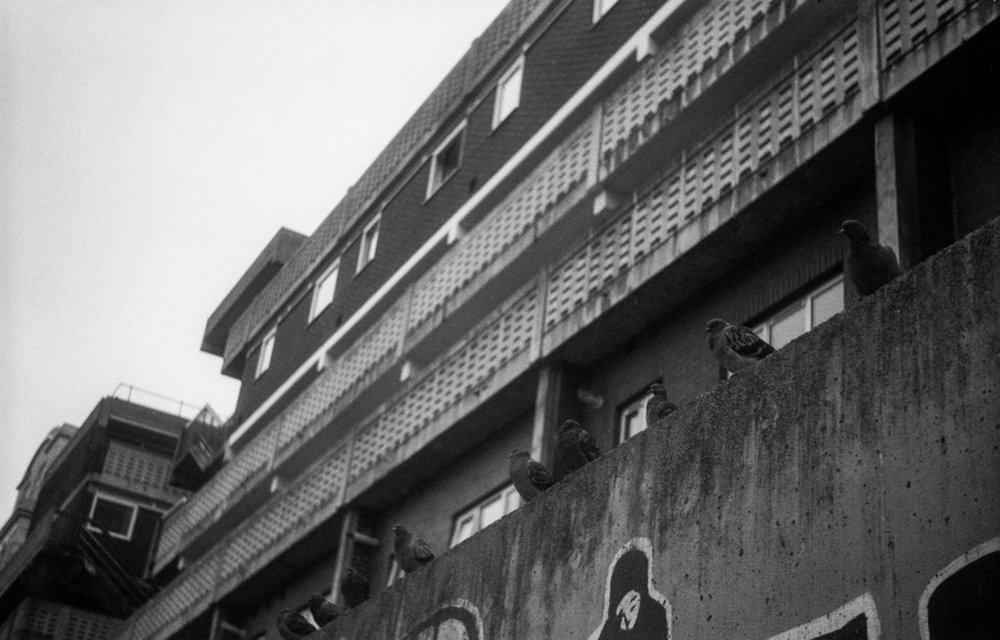
“Pigeons Perched, London Estate, UK” — London estates typically refer to large residential developments constructed by local authorities or housing associations, often characterised by high-density housing blocks and communal green spaces. These estates emerged prominently in the post-war period as part of the UK’s social housing programme, aiming to provide affordable accommodation and improve living conditions for working-class families. Geographically, such estates are found across all London boroughs, from the sprawling complexes in the east like Tower Hamlets to the more dispersed layouts in outer suburbs. The architecture often reflects mid-twentieth-century modernist principles, utilising concrete and brick to create durable, functional structures. Over decades, these areas have evolved, with many undergoing regeneration projects to update infrastructure and enhance community facilities. The presence of pigeons is a common feature in urban environments, particularly in areas with abundant food sources and sheltered perching spots such as ledges, roofs, and statues. These birds have adapted well to city life, often gathering in groups in public squares and near housing estates. The social history of these estates is complex, involving narratives of community resilience, economic challenges, and ongoing efforts to maintain vibrant neighbourhoods. Understanding the context of a London estate requires acknowledging its role in the city’s housing landscape and its significance to the residents who call it home.
Discover more from PAUL COOKLIN
Subscribe to get the latest posts sent to your email.


