
Poppies, Suffolk, UK

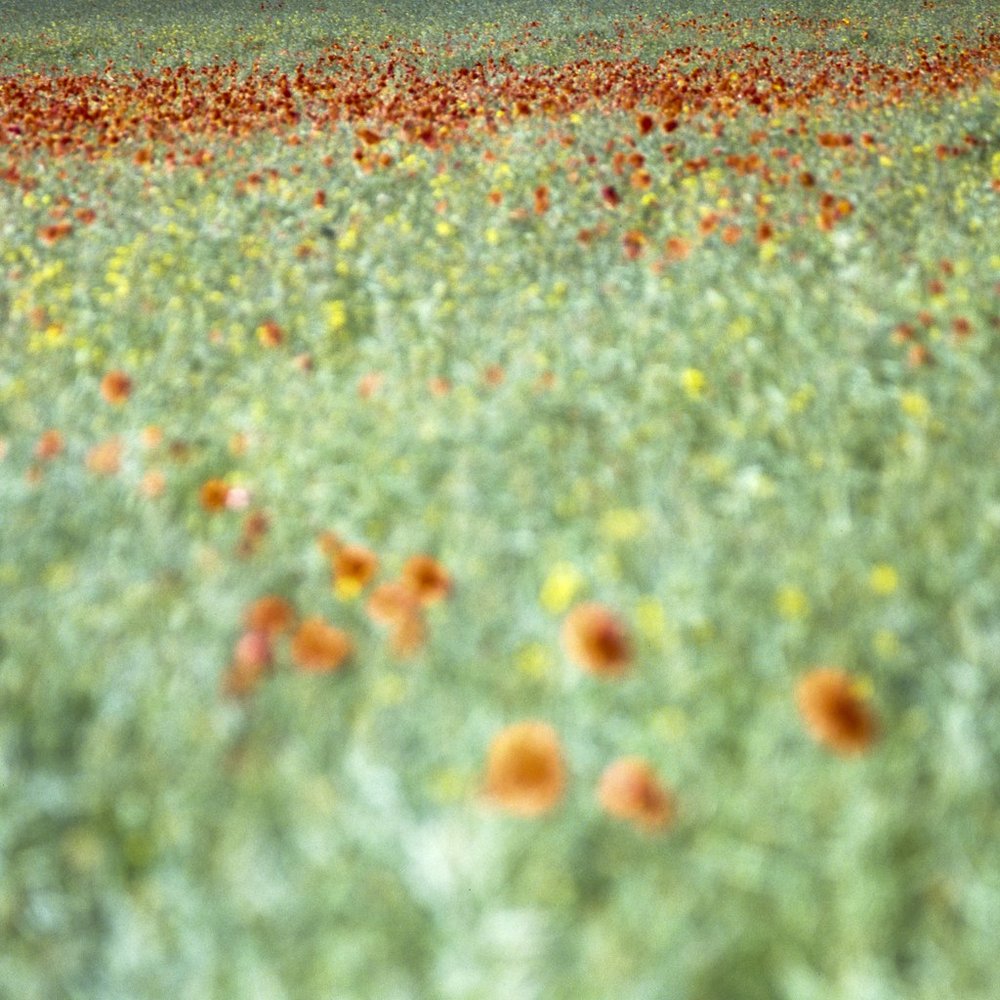
“Poppies, Suffolk, UK” — Suffolk is a county in East Anglia, England, characterised by its low-lying landscape, extensive arable farmland, and a coastline along the North Sea. The region is historically significant for its agricultural heritage, particularly the cultivation of cereals and oilseed rape, which often dominate the rural vista. Poppies, scientifically known as Papaver rhoeas, are common wildflowers found in disturbed ground and field margins across the county, frequently appearing in the spring and early summer months. While not exclusive to Suffolk, their presence is emblematic of the county’s farming communities and has been noted in local literature and art for centuries. The area includes diverse habitats ranging from the chalk downlands of the Suffolk Coast and Heaths National Landscape to the clay plains of the Stour Valley. Major towns such as Ipswich, Bury St Edmunds, and Lowestoft anchor the region, which also boasts a rich architectural legacy including medieval churches and historic market towns. The climate is generally temperate, with moderate rainfall and distinct seasonal changes that influence the growth cycles of native flora. This geographical and cultural context provides a backdrop for the natural occurrence of poppies in the county’s fields and verges, reflecting the interplay between human agricultural activity and wild plant life.
Discover more from PAUL COOKLIN
Subscribe to get the latest posts sent to your email.


