
Rain I, Havana, Cuba

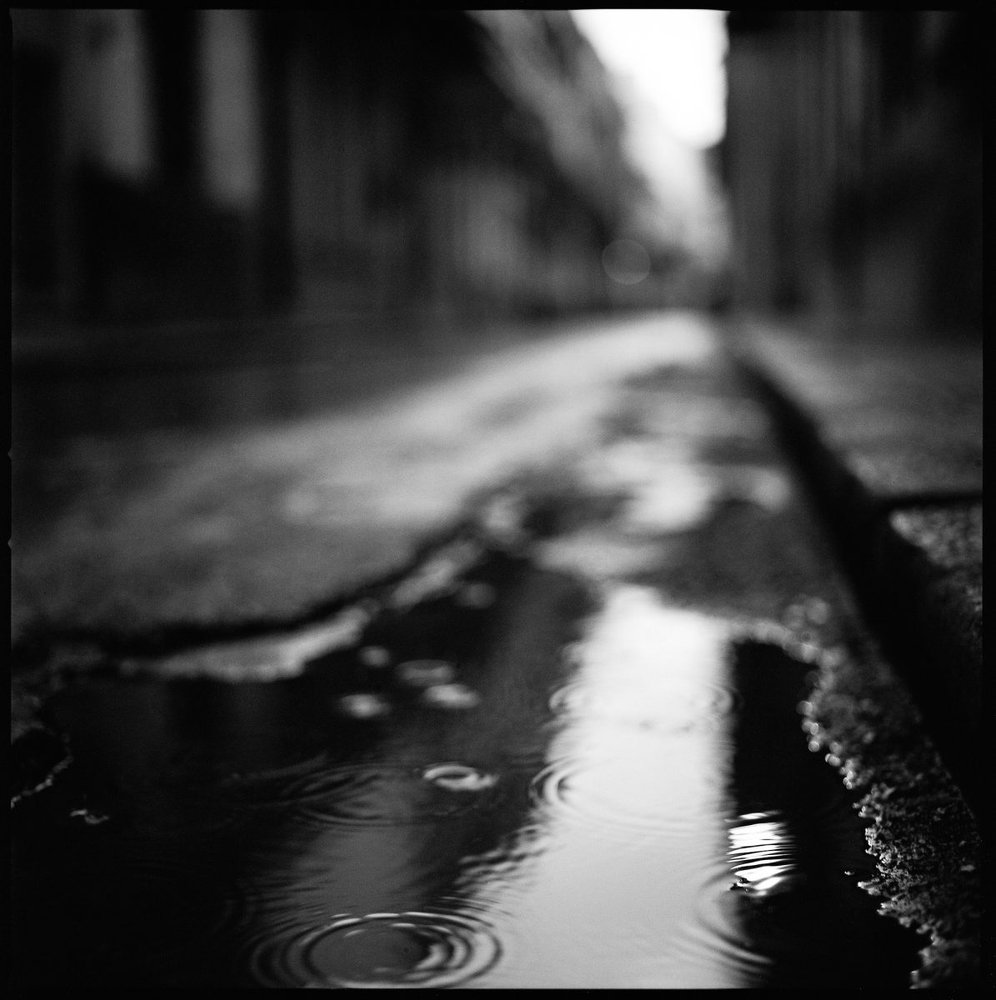
“Rain I, Havana, Cuba” — Havana sits on Cuba’s northern coast, straddling a broad bay that opens into the Straits of Florida. The city was founded by the Spanish in 1519 and grew into one of the main ports of the Spanish Empire in the Americas. Its harbour is ringed by fortifications — El Morro, La Cabaña, La Real Fuerza — built across the sixteenth to eighteenth centuries to defend against pirate and naval attack. The historic core, Habana Vieja, was inscribed as a UNESCO World Heritage Site in 1982, recognised for its ensemble of baroque and neoclassical architecture. Beyond the old quarter, the city extends through districts such as Vedado, with its Art Deco and early-twentieth-century buildings, and the long seawall of the Malecón traces the curve of the coastline. Havana has remained the political, cultural and economic centre of Cuba since independence, and its streets hold layered traces of Spanish colonial, republican and post-revolutionary history. The city’s climate is tropical, with warm, humid conditions for much of the year and a pronounced wet season from May through October, when brief, heavy downpours are frequent.
Discover more from PAUL COOKLIN
Subscribe to get the latest posts sent to your email.


